Hvar Town may not be one of the calmer corners on this island, but it is loud in the best way.
In summer, there are always boats arriving, bells ringing and, likely, someone smiling in awe two tables over. Underneath all that movement, there's a hidden rhythm that only reveals itself once you've spent a few summers coming back.
This is the town that built Hvar island’s reputation. It is also the town that, if you ask the right people, still has a few secrets left.
A harbour town with Greek bones
Hvar Town's history goes back to 384 BC, when Greek colonists from Paros founded a settlement here, much as they did at Stari Grad on the other side of the island. Centuries under Venetian rule turned it into one of the most important naval ports on the Adriatic, a fact still written into its streets, its fortress and the stone buildings ringing the harbour.
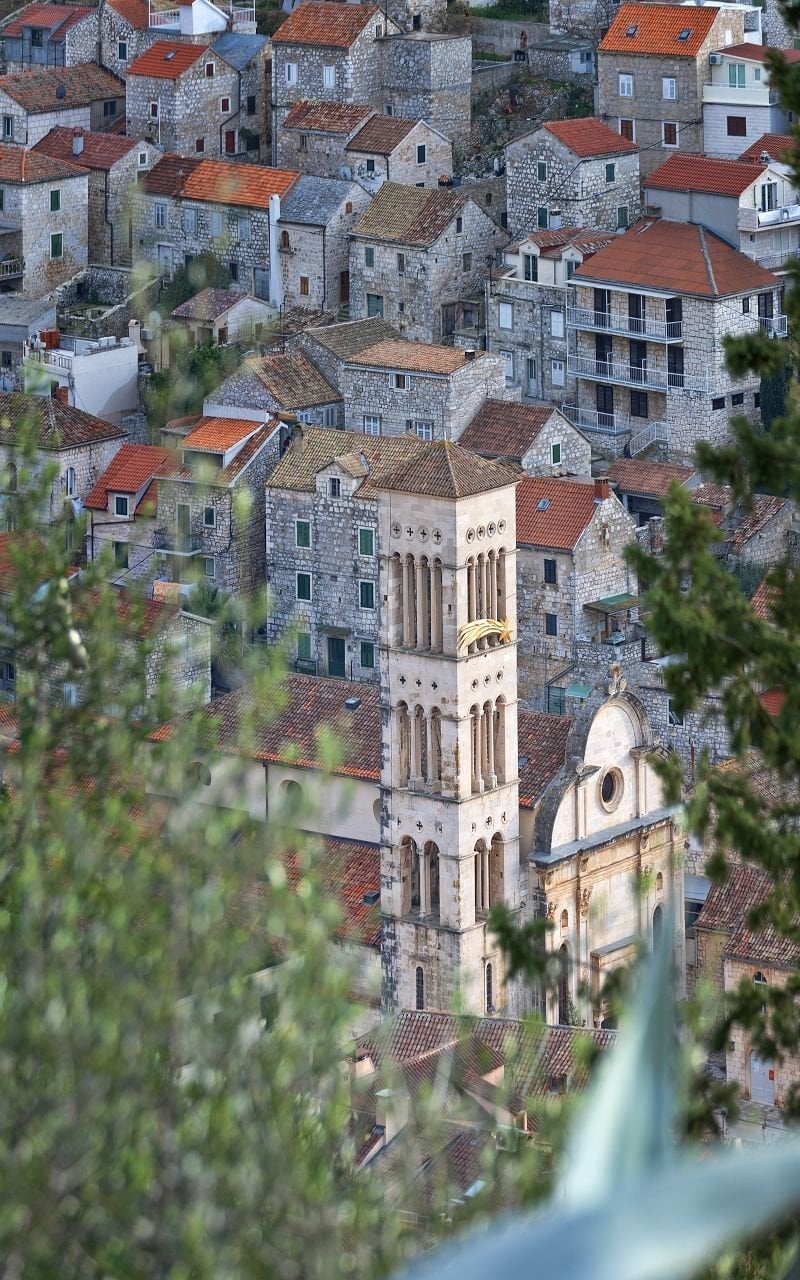
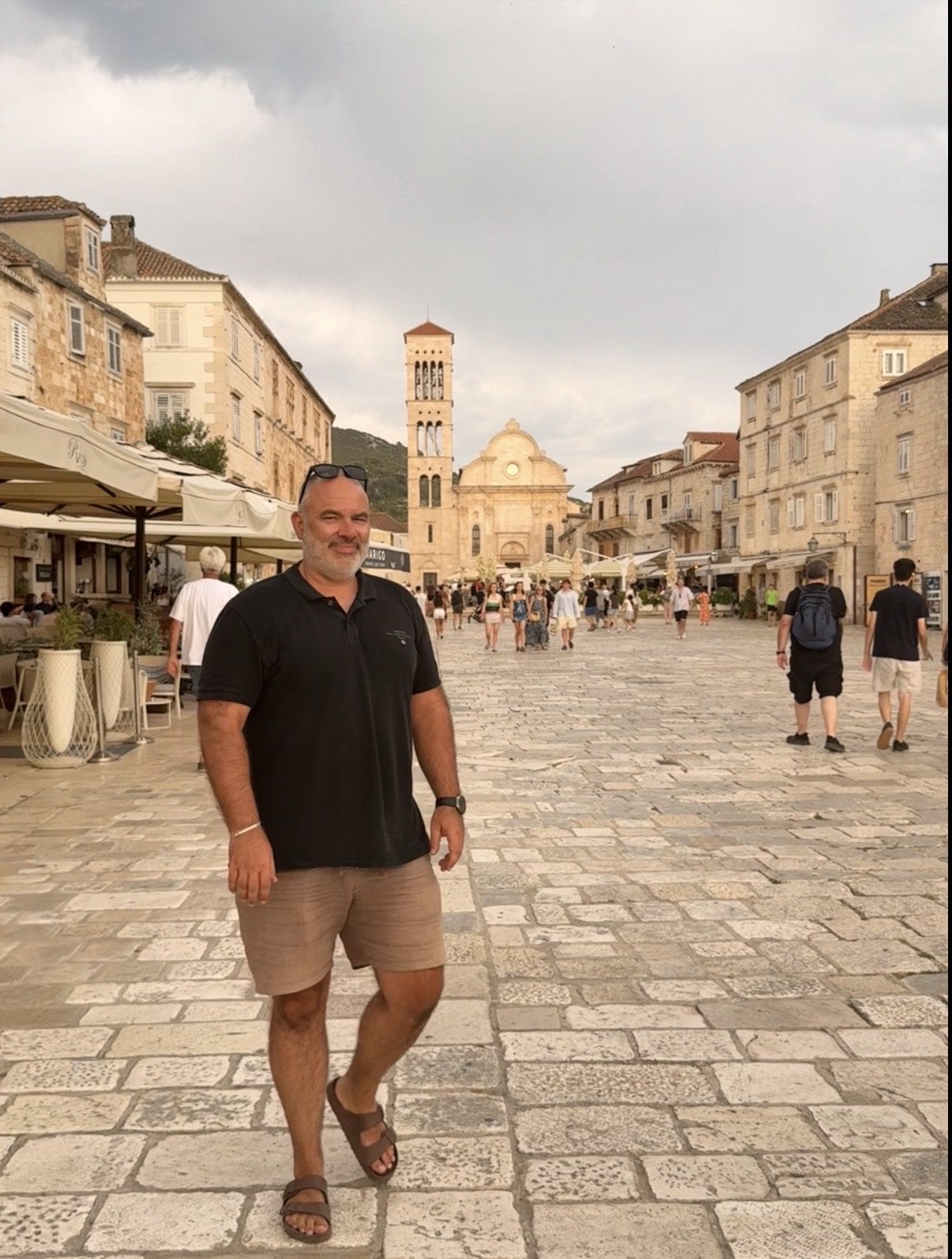
The main square, Pjaca, is one of the largest and most beautiful in Dalmatia. St. Stephen's Cathedral sits at one end, with its bell tower watching over a square that has hosted markets, gossip and goodbyes for the better part of five centuries. A few streets back from the water, the town changes character entirely with narrow stone lanes, laundry strung between balconies and old windows cracked ajar in the heat.
Parts of Hvar Town that predate tourists
Fortica, the fortress above the town, dates to the 13th century and was expanded by the Venetians in the 1500s. The climb is short but steep, and the view at the top tends to make everyone drop their jaw for a moment because of how the harbour, the Pakleni islands scattered offshore and the rooftops are arranged.
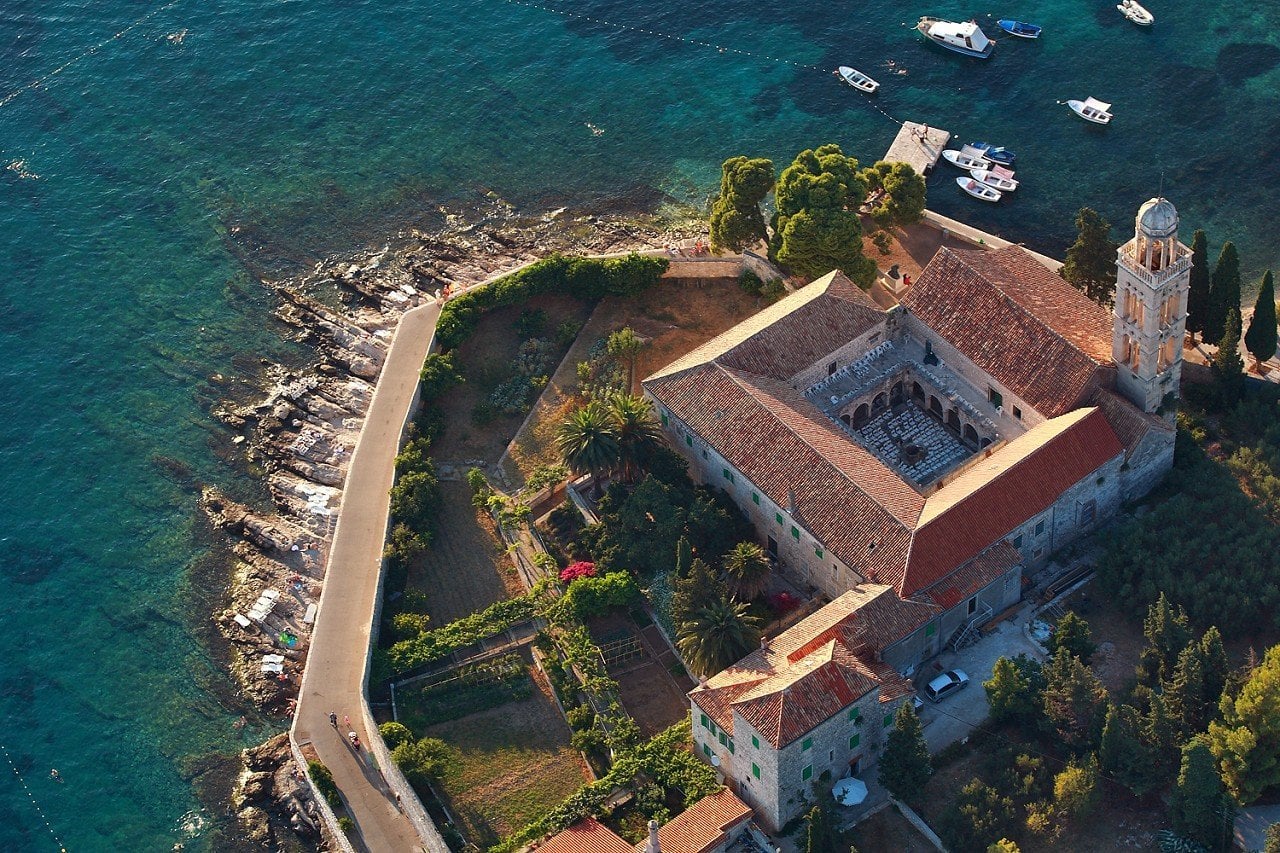
The Arsenal sits along the harbour and once served the town's shipbuilding and defence. Today it hosts concerts and cinema screenings. The Franciscan Monastery, with its cloister and small museum, even holds the occasional classical concert within its walls. And the Benedictine Convent, where the nuns still produce lace from agave leaf fibre, is a craft found nowhere else in the world and is protected by UNESCO on the Intangible Cultural Heritage List.
What Villas Hvar loves most about Hvar Town
History aside, the best way to understand this town is through the people who never left it. Majda and Dalibor, the founders of Villas Hvar, have spent decades watching it from the inside.
Majda has her own beloved routine. "I love the Benedictine convent and the agave lace the nuns make there. It's something I keep coming back to, because it is so specific to this place.”
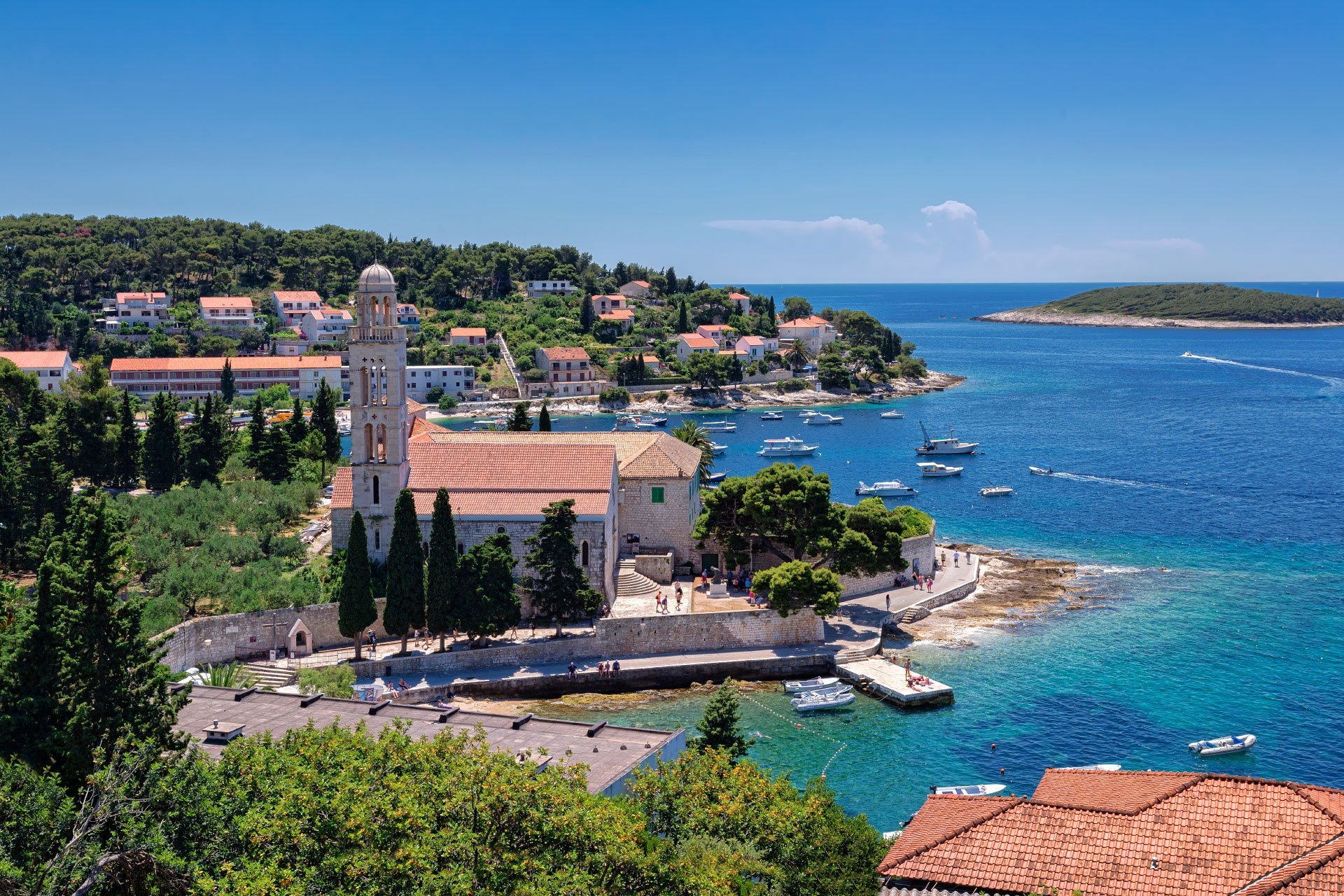
Majda likes to walk the coastal path with her dog Sophie towards Pokonji Dol in the late afternoon, no matter if it's summer or winter. She often sits down for a coffee at Pjaca during the day, before moving to Red Baron in the evening. Both are perfect people-watching spots.
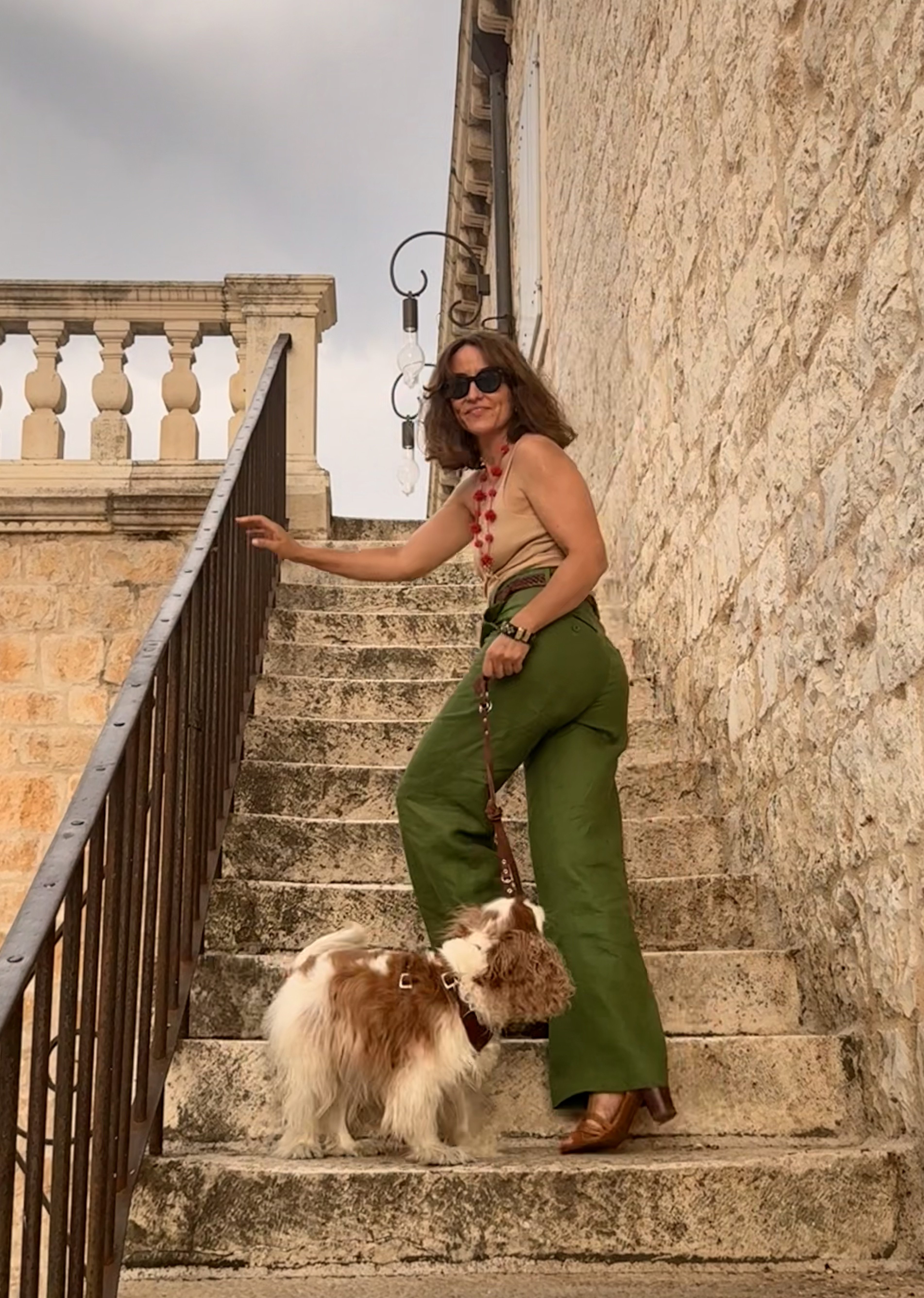
For sweetness, she goes to Nonica for the almond and cherry cake. And when mornings call for a hit of caffeine, she heads to Kava or Oasis. "Both are completely worth the price."
Dalibor's relationship with the town starts before he even docks. "The first view of Hvar Town from the boat never gets old." From there, his days tend to follow the shade. "Falko on a hot day, because of the natural shade and the breeze. It's the only place I actually want to sit still in July."
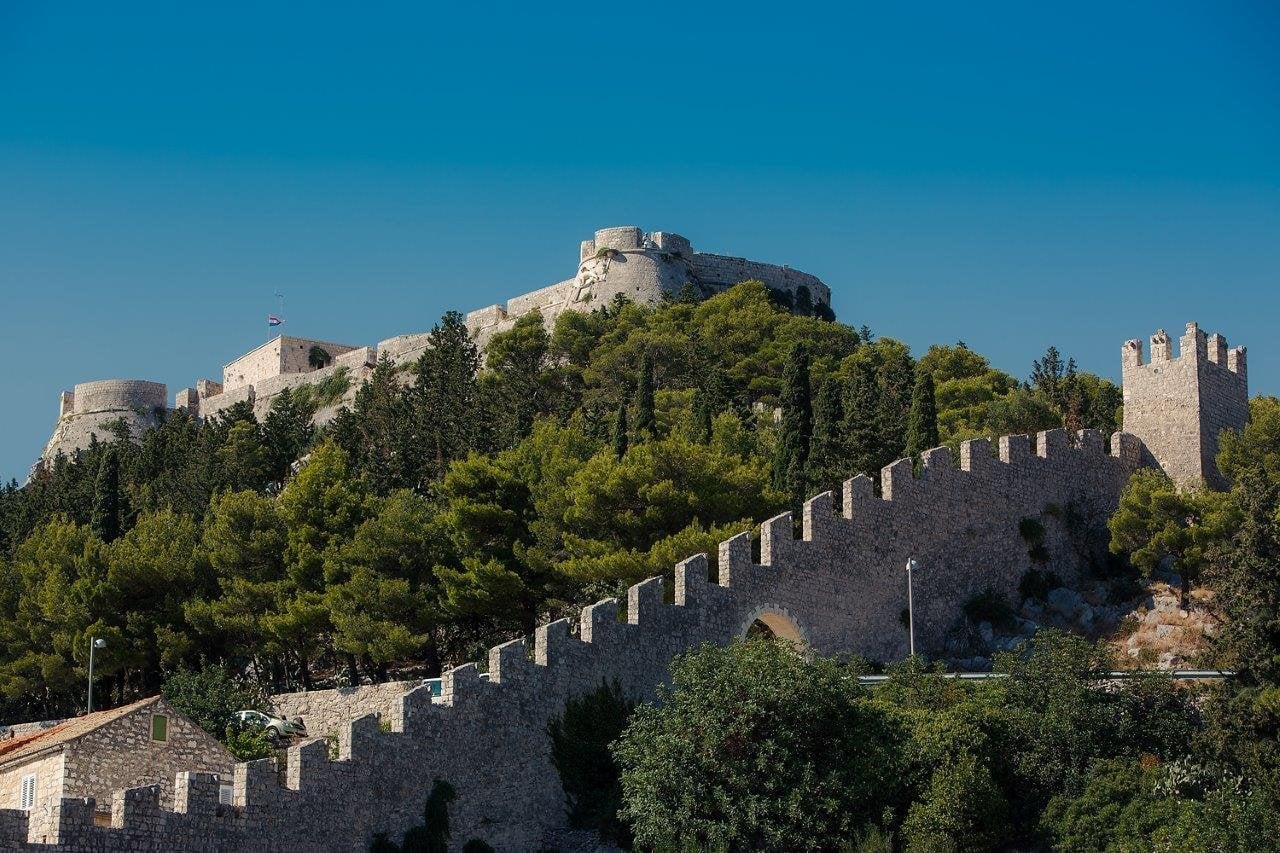
He's just as drawn to the views above the rooftops. "Fortica, and then the Napoleon fortress higher up. Both are worth the walk for completely different reasons. One looks down at the town, the other looks out at everything around it."
Where they eat and where they hang
Dinner, for Majda, depends on the mood. "Macondo, when I want that local feeling. It is unpretentious and familiar. Giaxa and Stajun, when I want to feel properly spoiled.”
Dalibor's food memory of the town is much simpler. "Kogo's pizza. No occasion needed."
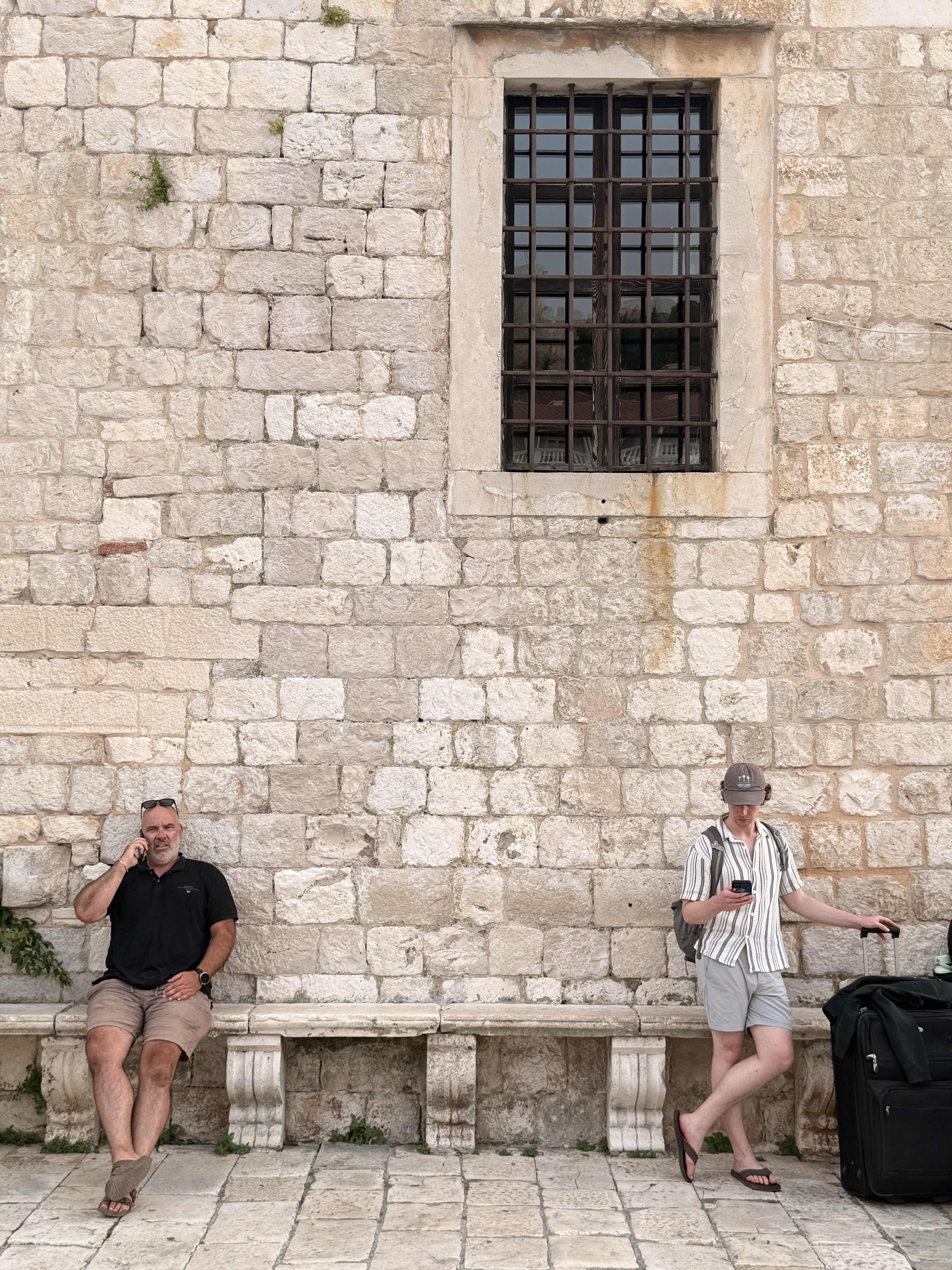
He also highlights the wine festival held in the Arsenal each year. They both love attending concerts in the Franciscan monastery - classical concerts for Majda, especially. These events are reminders of why they live on this island.
Beyond the town walls
Neither Majda nor Dalibor stops at the harbour. Both send guests further out, towards places that likely don't show up in the obvious searches.
Majda loves to swim with friends at Jerolim, then settles in for the afternoon at Mare. Lunch, when the occasion calls for something special, means a table at Meneghello's on Palmižana, reached by boat across the bay. For sunsets, she heads to Falko, and for evenings out, Ka'Lavanda or, on the right night, Carpe Diem.
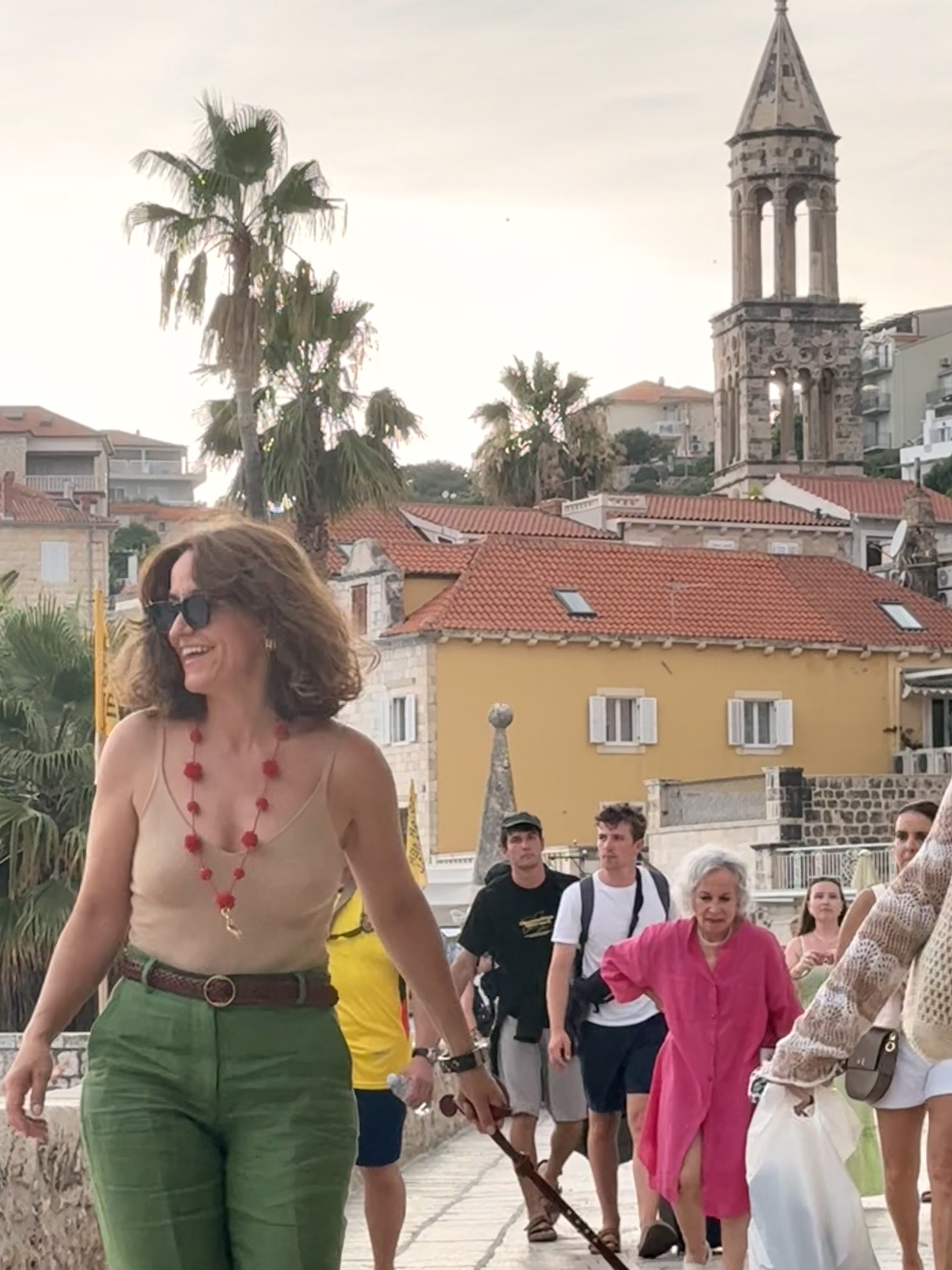
Dalibor's recommendations head inland and backward in time. He talks about Malo Grablje and Stari Komin, a restaurant inside an abandoned stone village tucked between cliffs, with barely a handful of permanent residents left in the surrounding hills. Majda loves the same restaurant in Malo Grablje, along with the beach and Dinko's restaurant in Mala Milna. She also believes the lavender festival in Velo Grablje each July is an event not to be missed.
When the town becomes itself again
Come December, Hvar Town changes entirely. The Christmas market fills Pjaca with lights and mulled wine, and the island's futsal tournament - by Dalibor's account, the best one held anywhere on Hvar - takes over for a few good-natured days. The noise of summer gives way to something smaller, and for a while, the town belongs entirely to the people who live here year-round.
Why we always end up back here
Hvar Town will never be the island's best-kept secret. But if you spend enough time here, through the right doors and with the right people pointing the way, it starts feeling like home.
That's the real draw. It’s not just the harbour or the fortress. It’s not even Pjaca at golden hour… though all of that helps. It's the fact that everyone who has ever lived here seems to have a version that is entirely theirs. If you’re here for a while, you'll start building one too.