Hvar island usually makes headlines as one of Europe’s most sought-after islands. Or you’ll see it mentioned for its hills of lavender. Or because it records around 2800 sunshine hours a year. But what people sometimes forget is that Hvar also has six UNESCO protections — and none of them were given for any of the above.
UNESCO recognised Hvar for a field system that Greek colonists laid out in 384 BC, a night procession that has walked the same route every Easter for 500 years, lace handmade by nuns from agave leaves, a cappella choral singing, a world-renowned diet and the dry stone walls that hold the island landscape together.
To understand what Hvar island is like across all seasons, this UNESCO list is the best place to begin.
Stari Grad Plain, a World Heritage Site in 2008
Greek colonists from the island of Paros arrived on Hvar in 384 BC and divided the land east of Stari Grad into plots using dry stone walls and drainage channels. Those same plots (growing mostly olives and grapes) are still farmed along the same boundaries today.
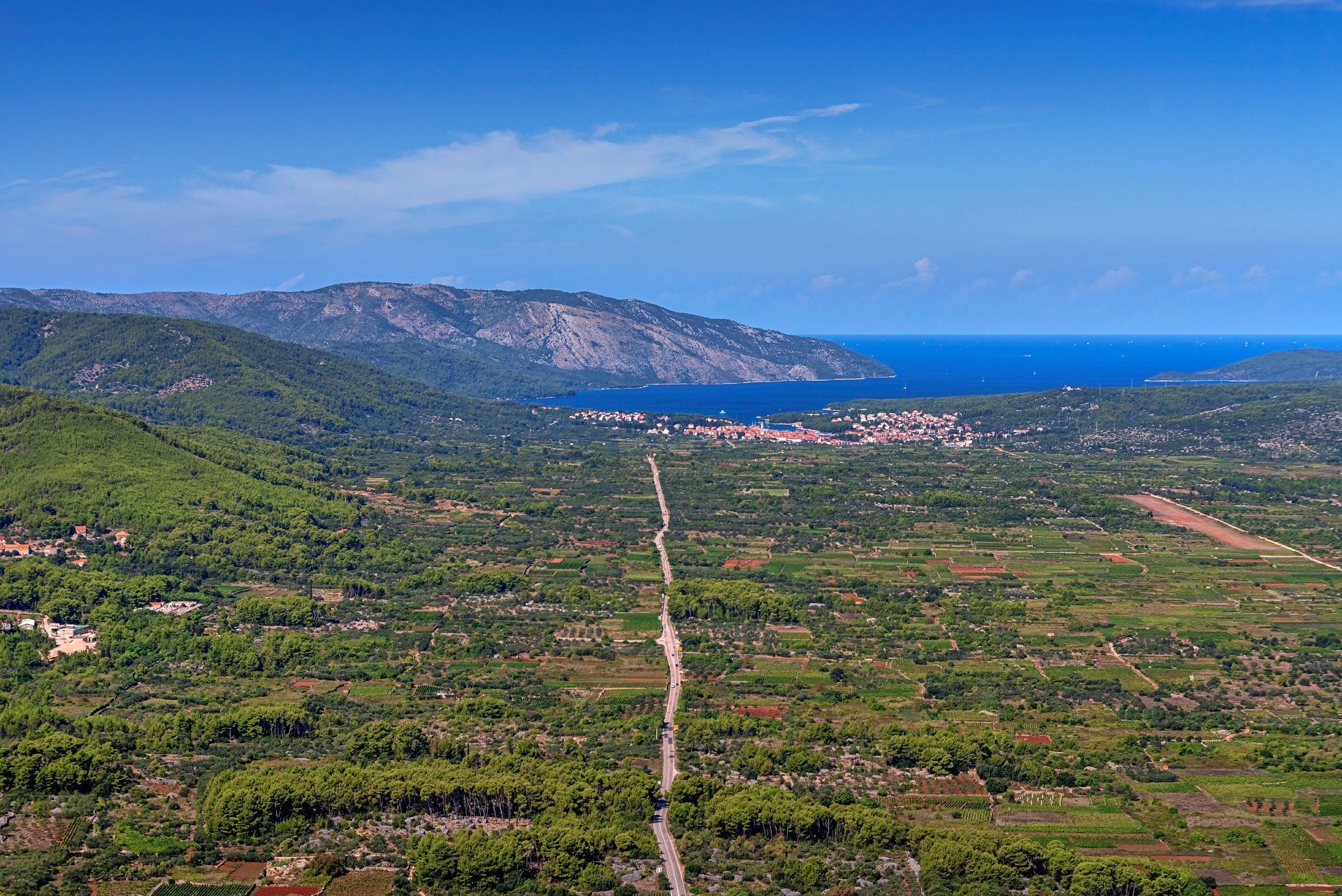
UNESCO inscribed the plain as a World Heritage Site in 2008, citing it as an outstanding example of ancient land use. The walls are Greek, the vines are Croatian and the whole thing is still producing wine and olive oil some 24 centuries later.
Cottage Calleis is a stone cottage on an 8000 m² estate of olive, fig and cypress… and it’s just a ten-minute walk from the Stari Grad Plain.
Za križen, Intangible Cultural Heritage in 2009
Za križen, to put it simply, means ‘following the cross’. Every Maundy Thursday, six parish churches send six groups from Jelsa, Pitve, Vrisnik, Svirče, Vrbanj and Vrboska and walk through the night — a tradition that has persisted, without fail, for 500 years.
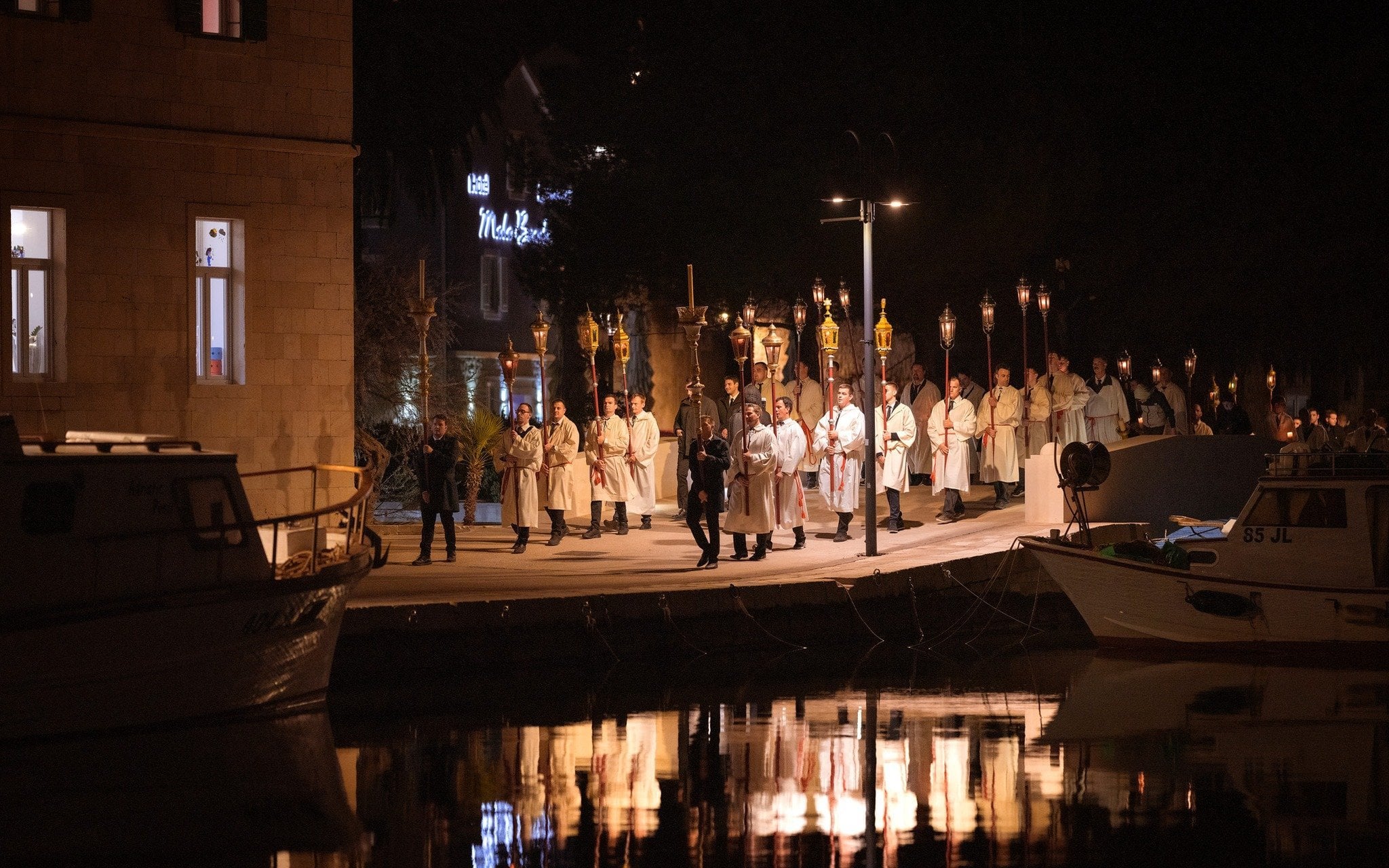
Each group follows a 25-kilometre loop through the villages, led by a cross-bearer who does not stop until dawn. Not surprisingly, the cross-bearer’s place is now registered up to 20 years in advance. Along the way, singers perform the Lamentation of the Virgin Mary and people of all ages join in (and you may even find some from abroad). UNESCO added it to the Intangible Cultural Heritage list in 2009.
Villa Geras *Vertigo is a restored 1900 stone house in the centre of Jelsa, one of the six villages on the Za križen route. Staying there during Holy Week puts you at the heart of it all.
Hvar lacemaking, Intangible Cultural Heritage in 2009
Inside the Benedictine Convent of St. John the Baptist in Hvar Town, nuns have been making lace from agave leaves for well over a century. The threads are drawn from the leaves and worked without any pattern, meaning no two pieces are ever the same. A larger piece could take up to six months to complete.
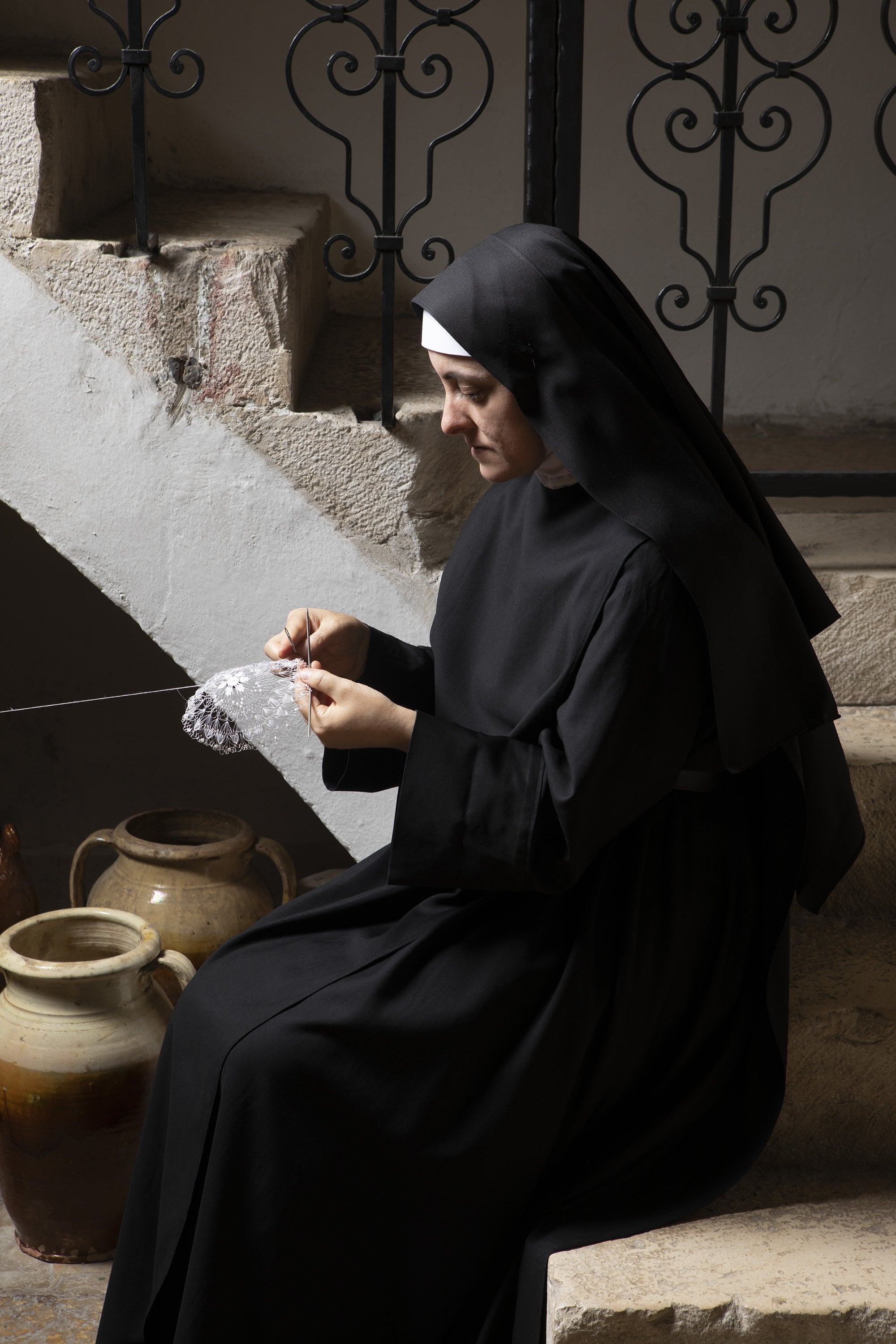
Photo by Saša Ćetković
UNESCO inscribed Hvar's agave lace as part of a broader Croatian lacemaking tradition in 2009. The Benedictine Monastery Museum in Hvar Town has pieces on display, which is worth an hour of your time, even if lace was never really on your radar.
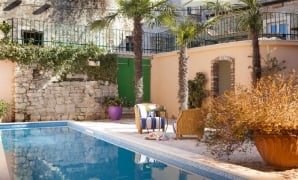
Lola’s Summer House is a short walk from the Convent, where you’ll find stone walls, green shutters and a saltwater pool in the courtyard.
Klapa singing, Intangible Cultural Heritage in 2012
Klapa is unaccompanied choral singing, comprising a group of voices that harmonise without an instrument in sight. It grew out of Dalmatian community life, with songs about the sea, love, homeland and wine. UNESCO inscribed it in 2012.
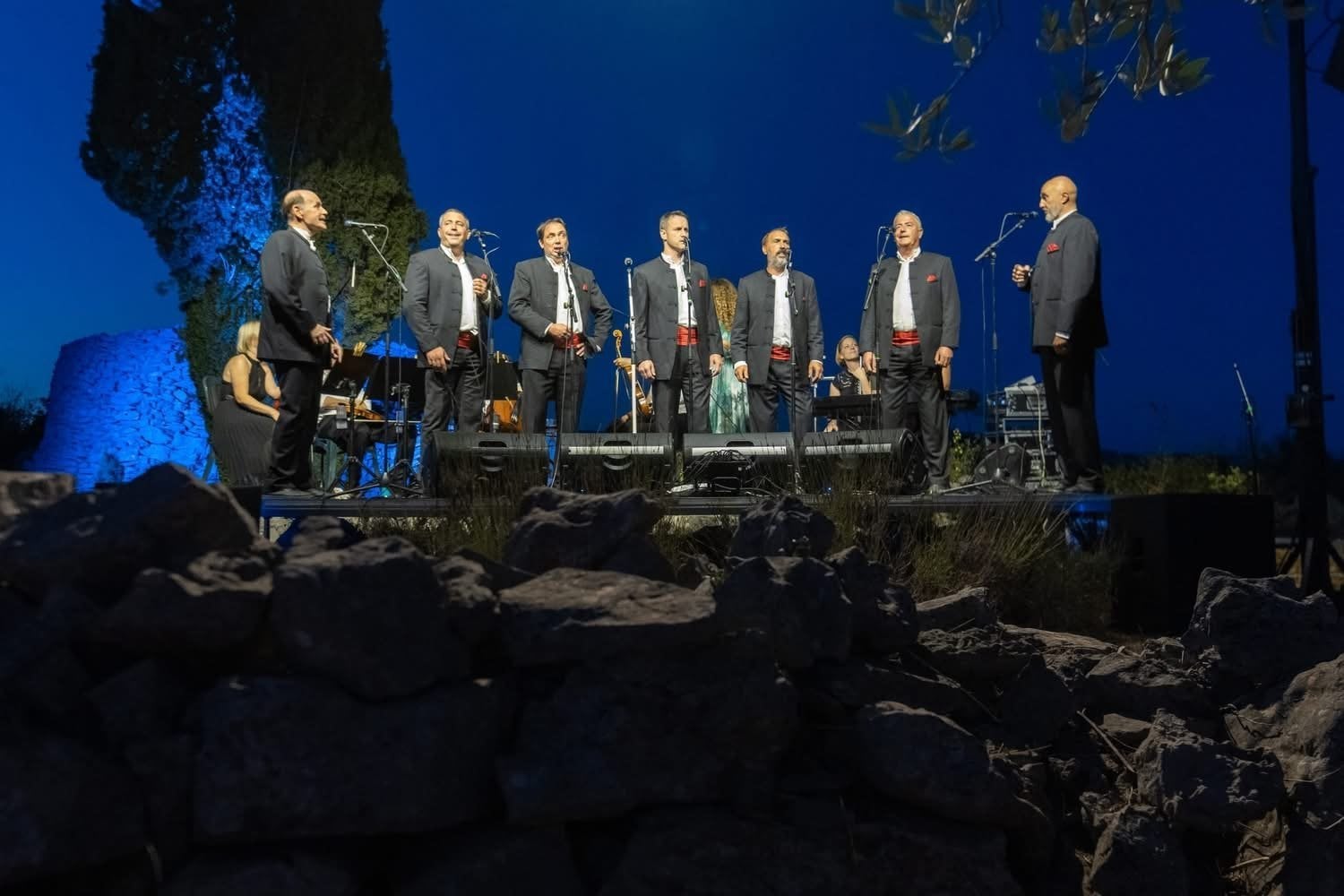
On Hvar island, you will hear it in village squares, at festivals and, if you book a private music experience through Villas Hvar, in your own garden or terrace after dinner. It sounds different live than on a recording, and the harmonics in an open space are something you won’t be able to get out of your head.
Mediterranean diet, Intangible Cultural Heritage in 2013
Croatia joined a broader multinational UNESCO inscription for the Mediterranean diet in 2013. On Hvar island, that includes olive oil from the Stari Grad Plain, fresh fish from the morning market in Jelsa, blitva cooked with garlic and potatoes and gregada made the way your grandmother did.
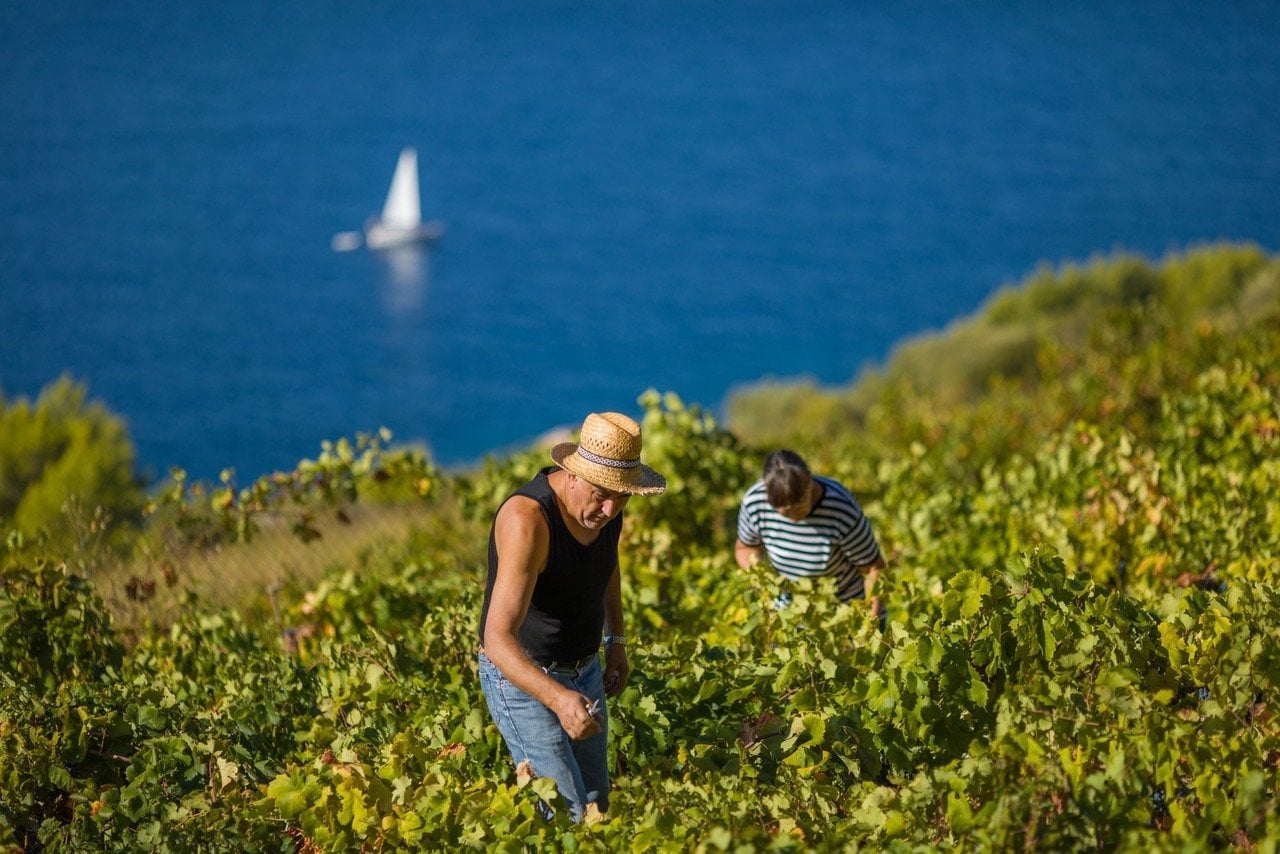
The Mediterranean diet is as much about the way you eat as it is about any specific ingredient. Hvar's relationship with eating seasonally, slowly and together is a lifestyle choice that has continued for some 2000 years.
Dry stone walling, Intangible Cultural Heritage in 2018
Dry stone walls are everywhere around the island. You’ll find them running across the hillsides, dividing the terraced vineyards and enclosing the plots of the Stari Grad Plain. They are built without mortar, relying entirely on the arrangement of the stones themselves.
UNESCO inscribed the art of dry stone walling in 2018 as part of a multinational listing that recognised the craft's ecological intelligence. These walls manage water runoff, support biodiversity and have been holding the landscape together since the Greeks first laid them.
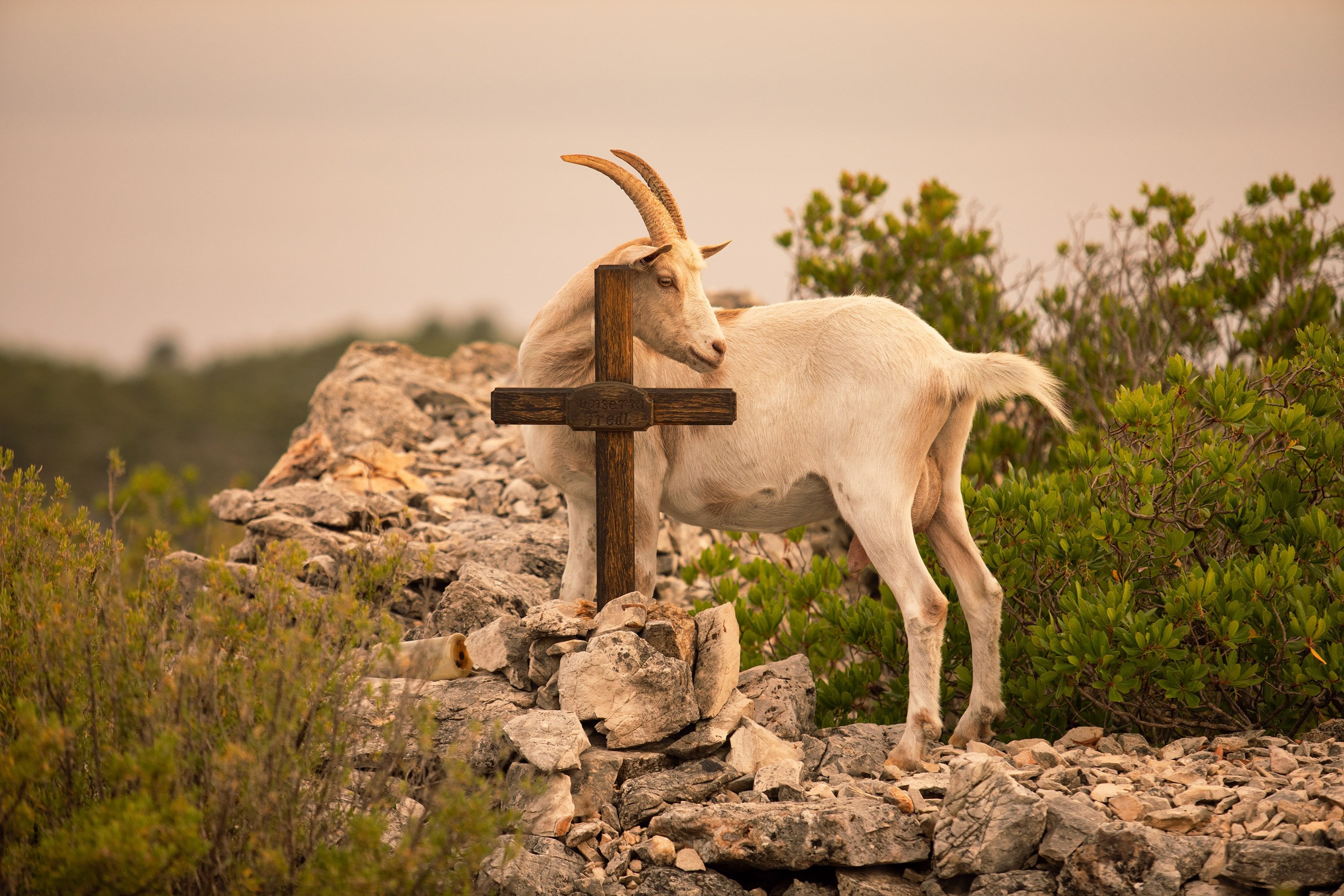
Photo by Saša Ćetković
The best place to understand its full scale is the Dry Stone Park near Velo Grablje, one of the largest and best-preserved areas of dry stone construction on the island. Within a single square kilometre, the park brings together dry stone walls and other structures that have led the Hvar landscape for centuries.
Villa Leto *Fulmin sits in Malo Grablje, a village built entirely from dry stone. The villa is a restored 1907 stone house and the walls around it are the same craft UNESCO inscribed.
Six UNESCO designations on a single island that is 68 kilometres long. No other island in the Adriatic has the same concentration. Between them, the protections span archaeology, craft, music, food and living religious tradition.
If you are planning time on the island, we can help you dive beyond the surface of all of it.